Concrete Flower Pot v0.1
The Vision
Concrete as a decorative material had been on the radar for a while — versatile, industrial, unfairly underrated in home decor. Glass-fibre-reinforced concrete countertops, concrete furniture, concrete everything. The logical next step: cast a flower pot from scratch.
How hard could it be?
The Plan
After approximately twelve minutes of YouTube research, the approach was clear:
- Build an outer and an inner chipboard mould
- Coat both with a release agent so they can be removed cleanly
- Pour concrete, wait overnight, admire the result
A cork stopper placed at the centre of the base acts as a drainage hole placeholder. Simple. Elegant. What could go wrong?
For sizing, the Kistenplaner is a handy tool. For a pot with 20×20×35 cm outer dimensions and 15 mm wall thickness, the cut list is:
| Qty | Length (mm) | Width (mm) |
|---|---|---|
| 1 | 232 | 232 |
| 2 | 200 | 350 |
| 2 | 350 | 232 |
| 1 | 168 | 168 |
| 2 | 138 | 304 |
| 2 | 302 | 168 |
Pieces screwed together with Spax screws. Very professional.
The Build
Both moulds were assembled, rubbed down with cooking oil (the release agent of choice when you have no idea what a release agent actually is), and the pouring began.
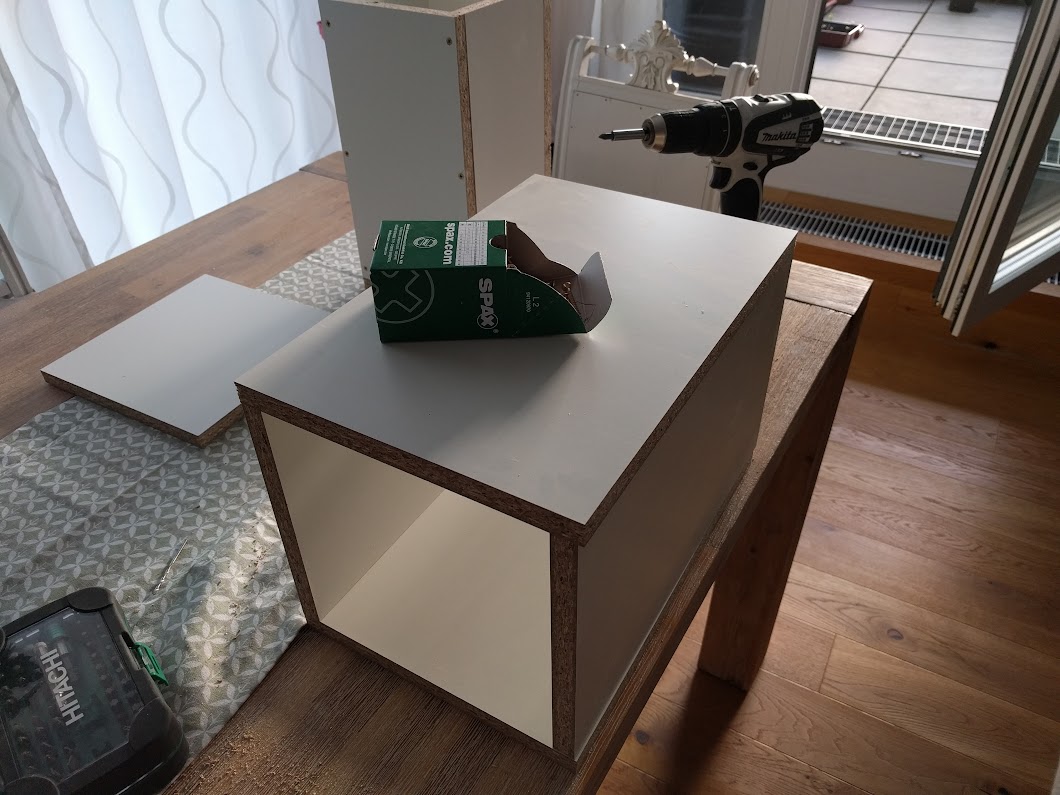
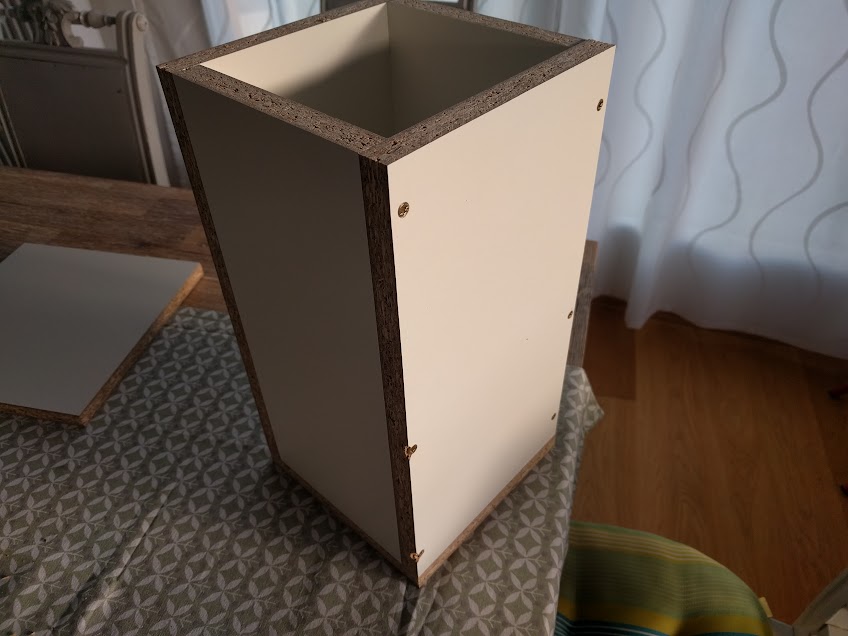
About 9 kg of hobby concrete mixed with water, poured carefully in layers, inner mould pressed down and weighed overnight.
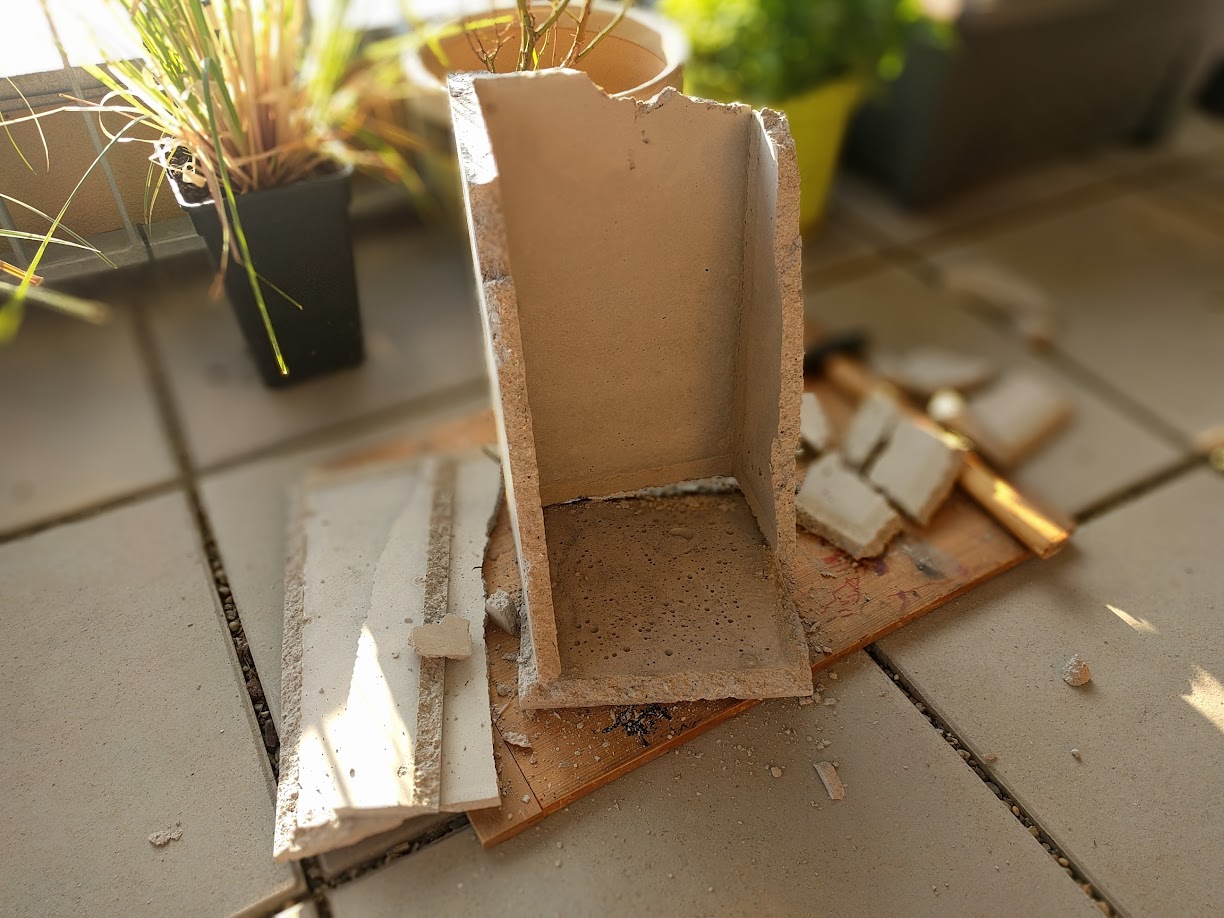
Next morning: demoulding time.
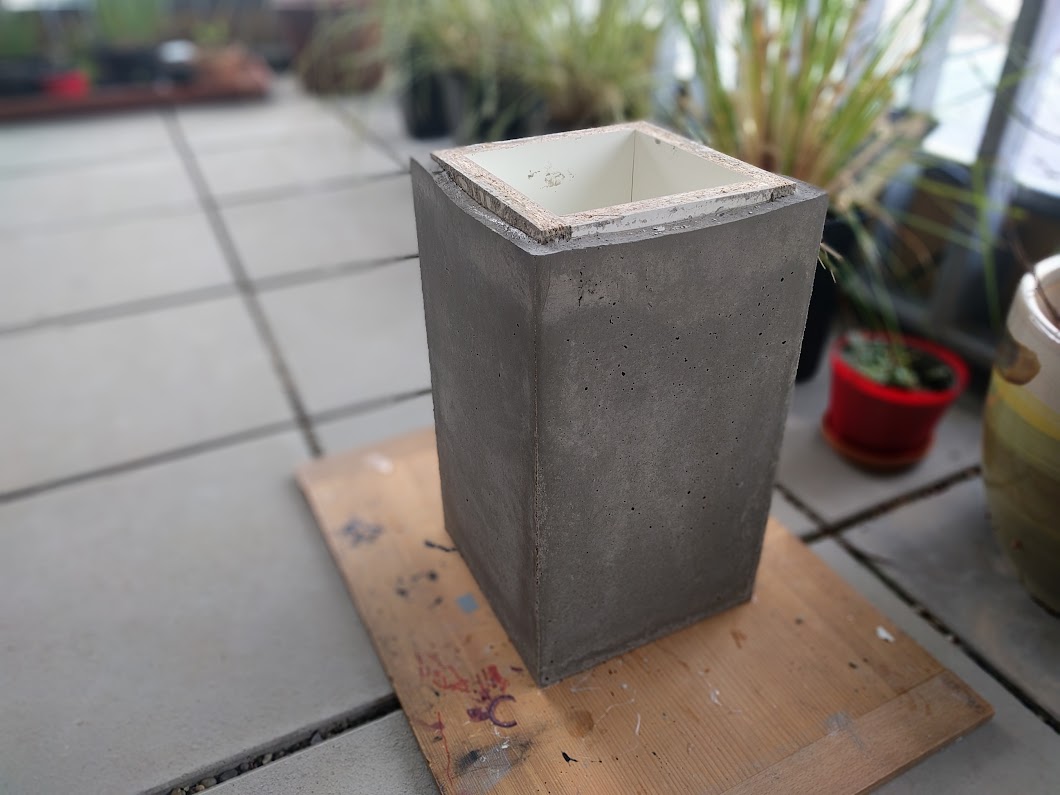
The Verdict
The pot exists. It is concrete-shaped. Whether it is a functioning pot is a matter of philosophical debate — specifically, the philosophy of water containment.
A post-mortem consultation with a qualified structural engineer (my father) produced the following expert assessment:
In summary: the mould was removed with considerable force, several cracks appeared, and the pot now holds approximately zero litres of water without also redistributing it across the floor.
Lessons Learned
| Mistake | Correct approach |
|---|---|
| 15 mm walls | Minimum 30 mm |
| No steel reinforcement | Add wire mesh or rebar |
| Cooking oil as release agent | Use proper formwork release agent |
| 12 minutes of YouTube research | Maybe read an actual guide |
Status
v0.1 — Abandoned. The pot lives in the garden, where it serves as a monument to misplaced confidence and a cautionary tale about the gap between watching a tutorial and understanding a craft. A v0.2 is theoretically possible once the structural wounds have healed.